i4 eDrive40
Fifth-generation electrically excited synchronous motor drives the rear axle. Motor, power electronics and single-speed transmission share a drive-unit housing. Floor battery provides energy; the moto
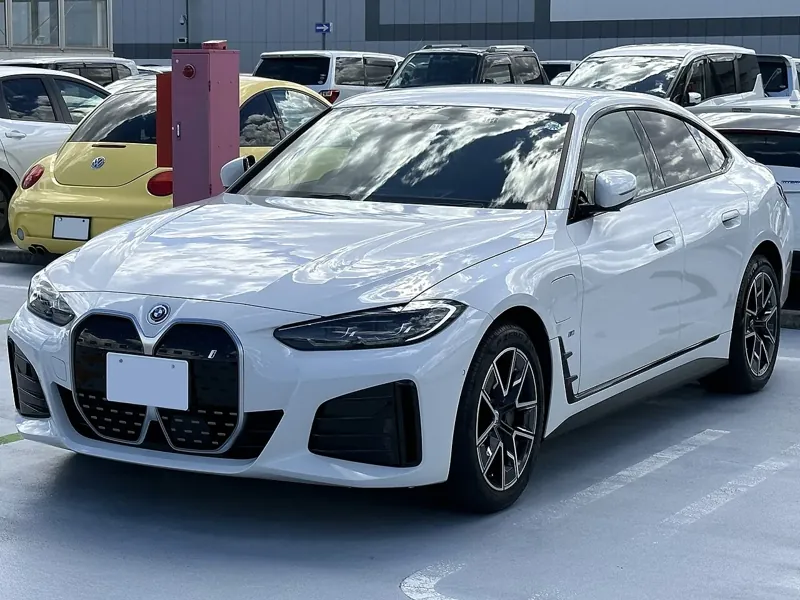
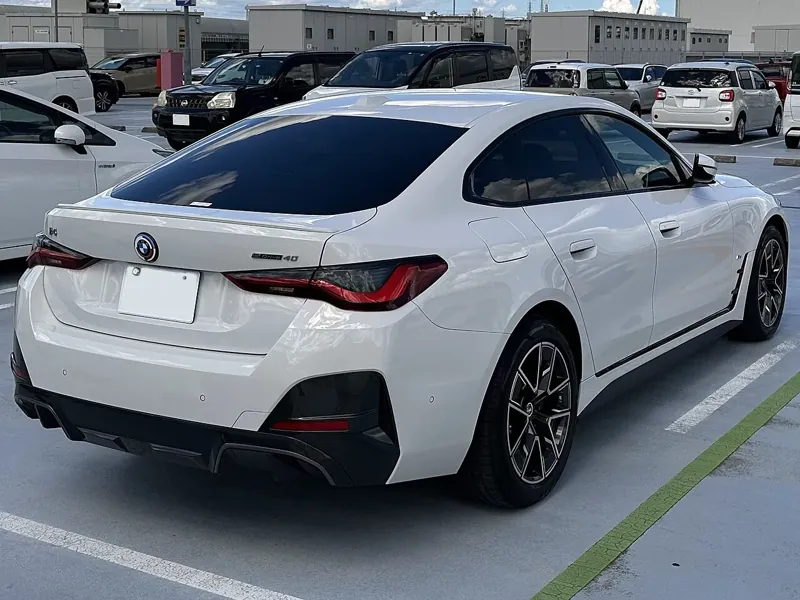
2022 BMW i4 eDrive40 (EU) · Factory source
Every figure, in one place.
Performance
- Power
- 340 PS · 335 hp · 250 kW
- Torque
- 430 Nm
- 0–100 km/h
- 5.7 s
- Top speed
- 190 km/h · limited
- Power-to-weight
- 6.25 kg/PS
Engine and drivetrain
- Engine
- eDrive · Rear-wheel drive
- Induction
- 83.9 kWh
- Gearbox
- Single-speed
- Drivetrain
- Electric rear-wheel drive
- Powertrain
- Electric
Body and dimensions
- Production
- 2021–present
- Body
- Sedans
- Length
- 4,783 mm
- Width
- 1,852 mm
- Height
- 1,448 mm
- Wheelbase
- 2,856 mm
- Kerb weight
- 2,125 kg
Battery and charging
- Usable battery
- 80.7 kWh
- Range (WLTP)
- 590 km
- Peak DC charging
- 205 kW
Where this car ranks across all 93 cars in the catalogue.
Why you’d want one
- An electric grand tourer with useful hatch access.
Know before you buy
- Battery health: request a state-of-health report
- Check charging port and on-board charger function
- Heavier than combustion equivalents; tyres wear faster
Commonly reported ownership points, not a guarantee of faults. Always get an independent inspection.
The electric Gran Coupé.
The i4 eDrive40 combines a rear electric drive unit with the low roof and large tailgate of a Gran Coupé. It makes a useful comparison with the dual-motor i4 M50.
An electric grand tourer with useful hatch access.
Check rear headroom and charging needs against your routine.
The eDrive40 and M50 use different drive layouts.
eDrive · Rear-wheel drive
Fifth-generation electrically excited synchronous motor drives the rear axle. Motor, power electronics and single-speed transmission share a drive-unit housing. Floor battery provides energy; the motor recovers energy during deceleration.
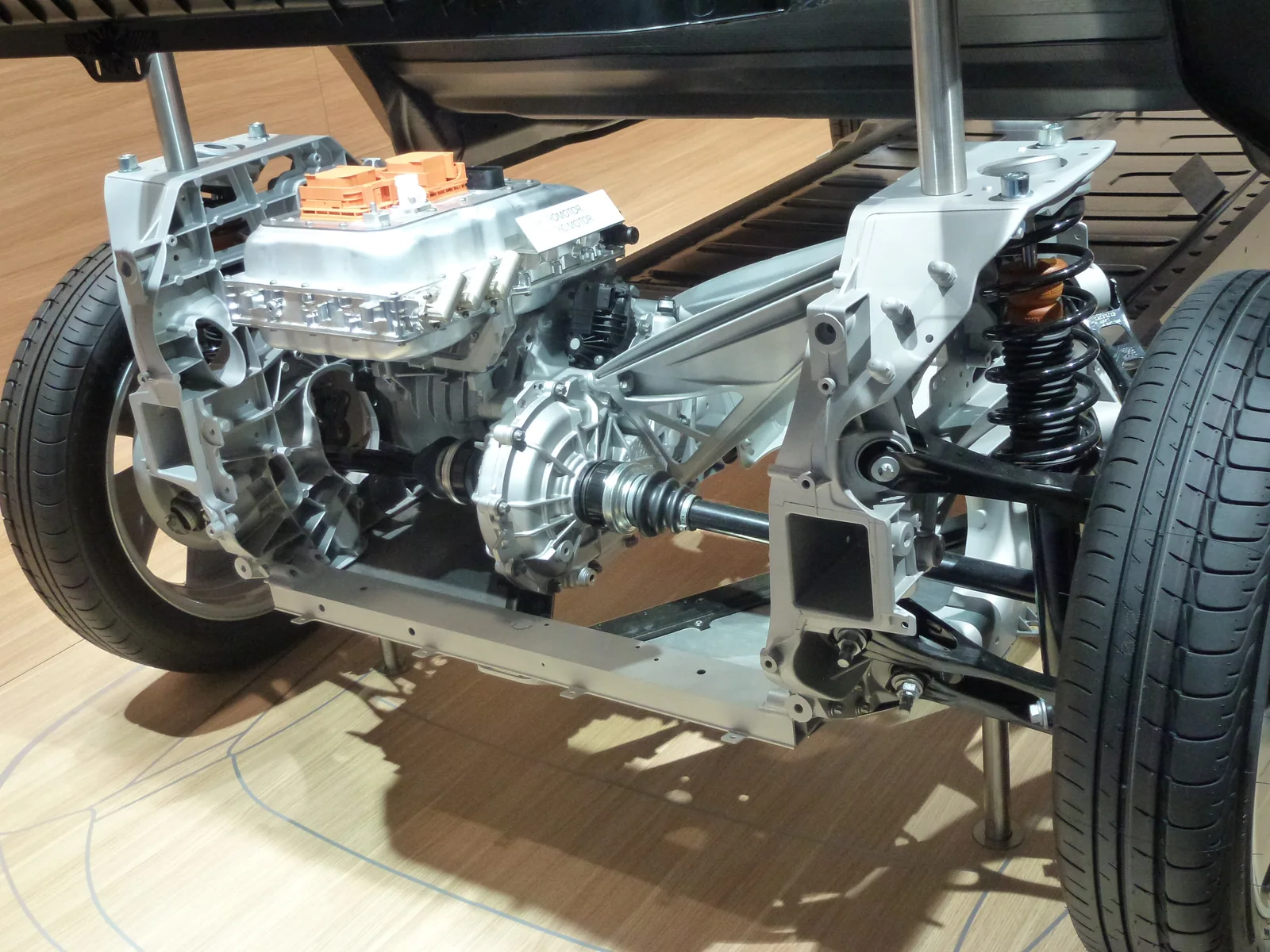
BMW i3 electric drive unit shown in 2013. System reference: later i4, i5, i7 and iX drive units have different generations, motors and installation.
Electric drive
Fifth-generation electrically excited synchronous motor drives the rear axle. Motor, power electronics and single-speed transmission share a drive-unit housing. Floor battery provides energy; the motor recovers energy during deceleration.
High-voltage battery
Factory battery energy: 83.9 kWh gross and 80.7 kWh usable. Gross capacity includes energy outside the usable operating window. These figures belong to the specification year shown.
Recover energy while slowing down
The drive motor can act as a generator during deceleration. It converts some motion energy into electrical energy for the battery. Recovery depends on traction, battery charge and operating conditions; friction brakes are still required.
Fixed-ratio drive
This electric powertrain uses fixed-ratio reduction gearing instead of a multi-speed manual gearbox. There is no petrol-engine idle, turbocharger or exhaust muffler.
The full specification.
Related cars
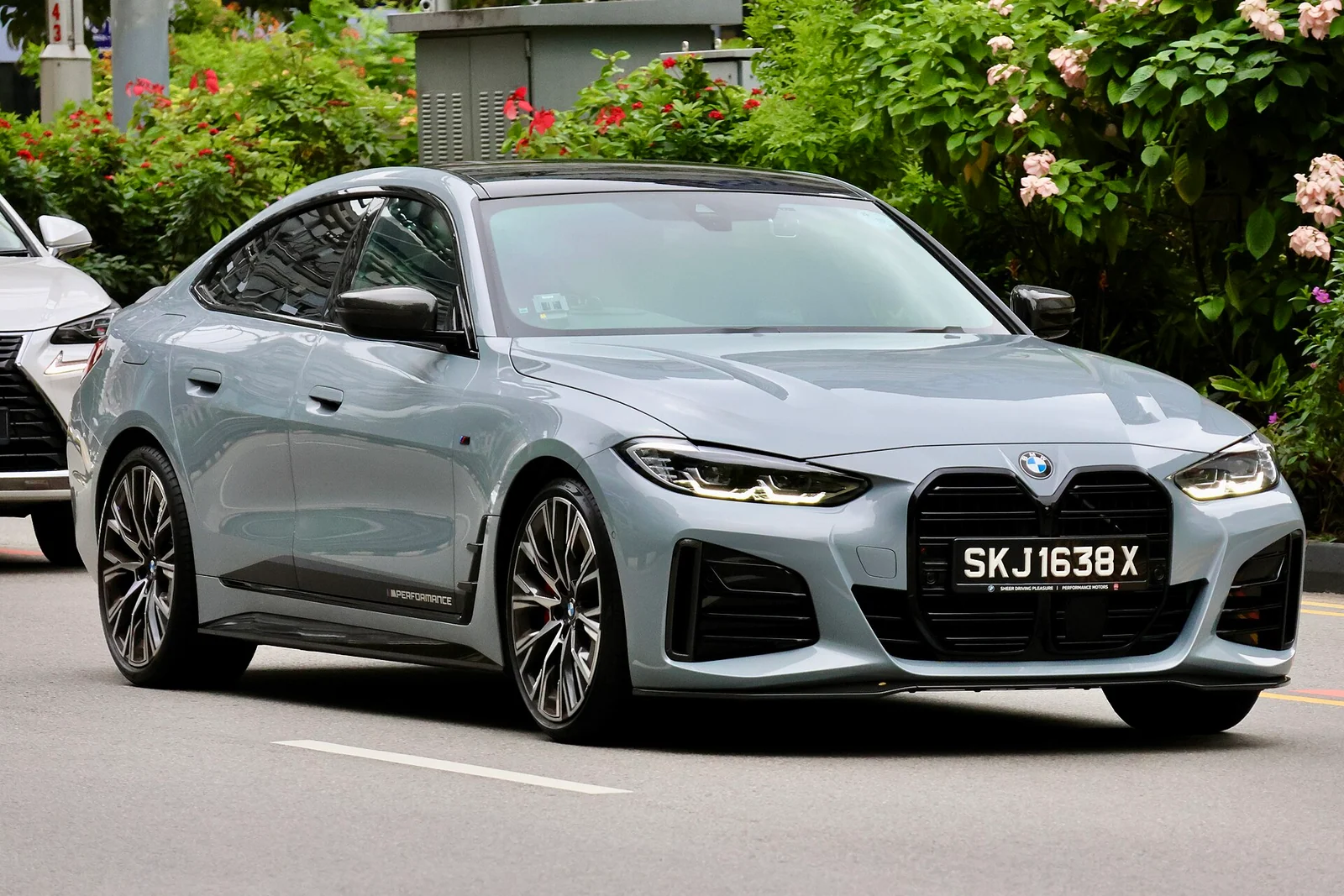
Photo credits
- BMW i4 eDrive40 M Sport (G26) front.jpg — Tokumeigakarinoaoshima · CC BY-SA 4.0 · Original
- BMW i4 eDrive40 M Sport (G26) rear.jpg — Tokumeigakarinoaoshima · CC BY-SA 4.0 · Original