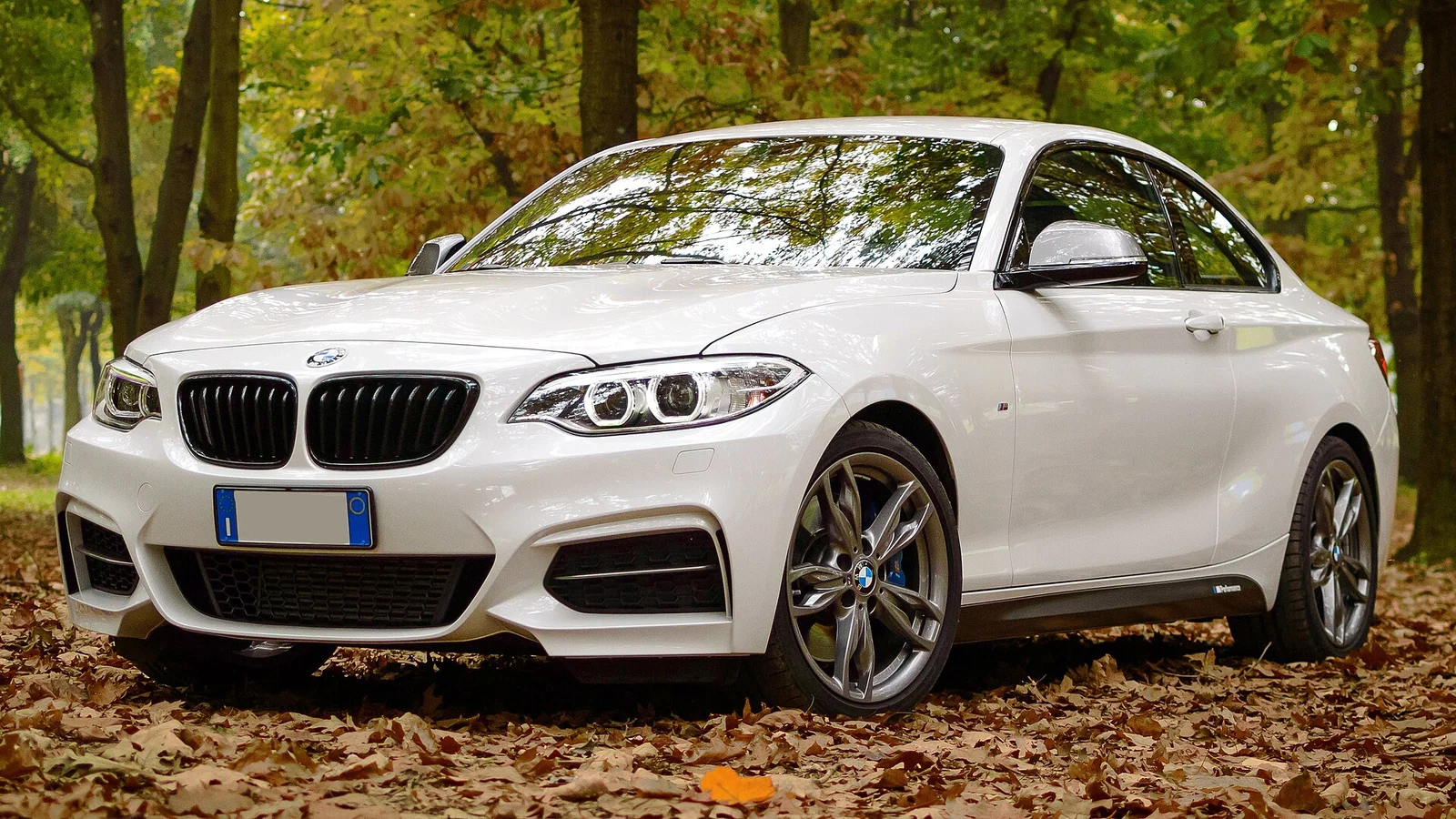
X5 xDrive35i
The turbocharged straight-six, in a different shape.

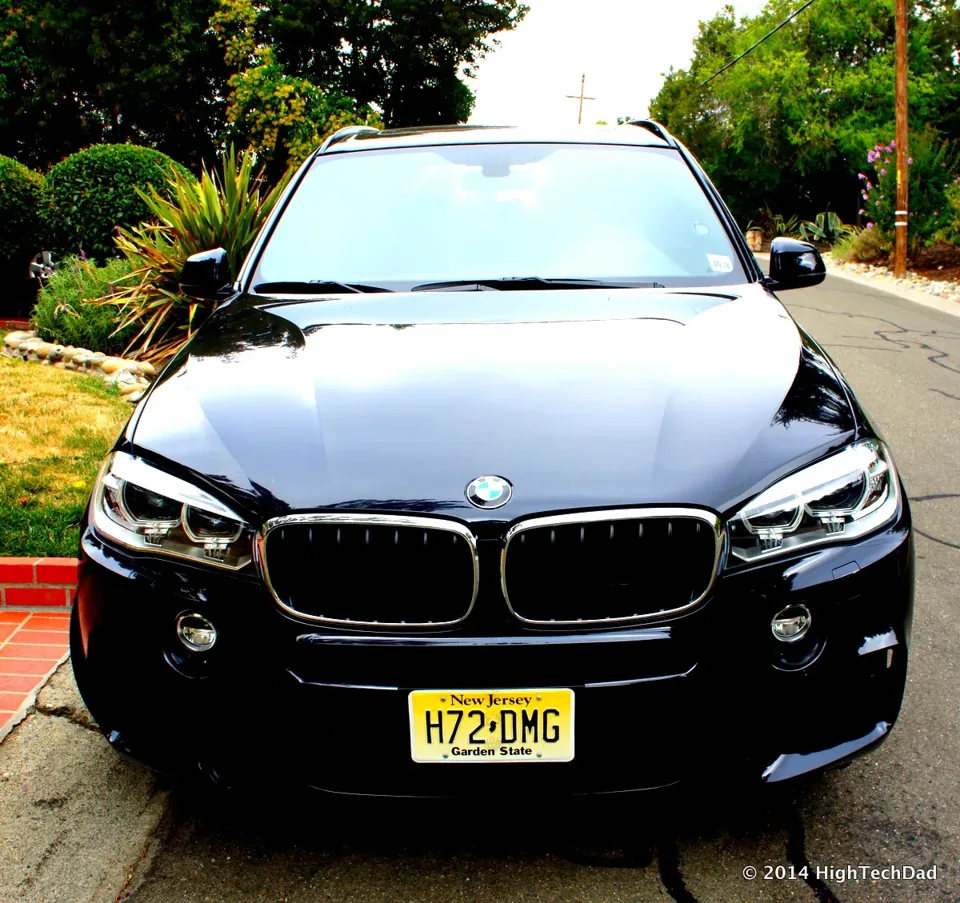
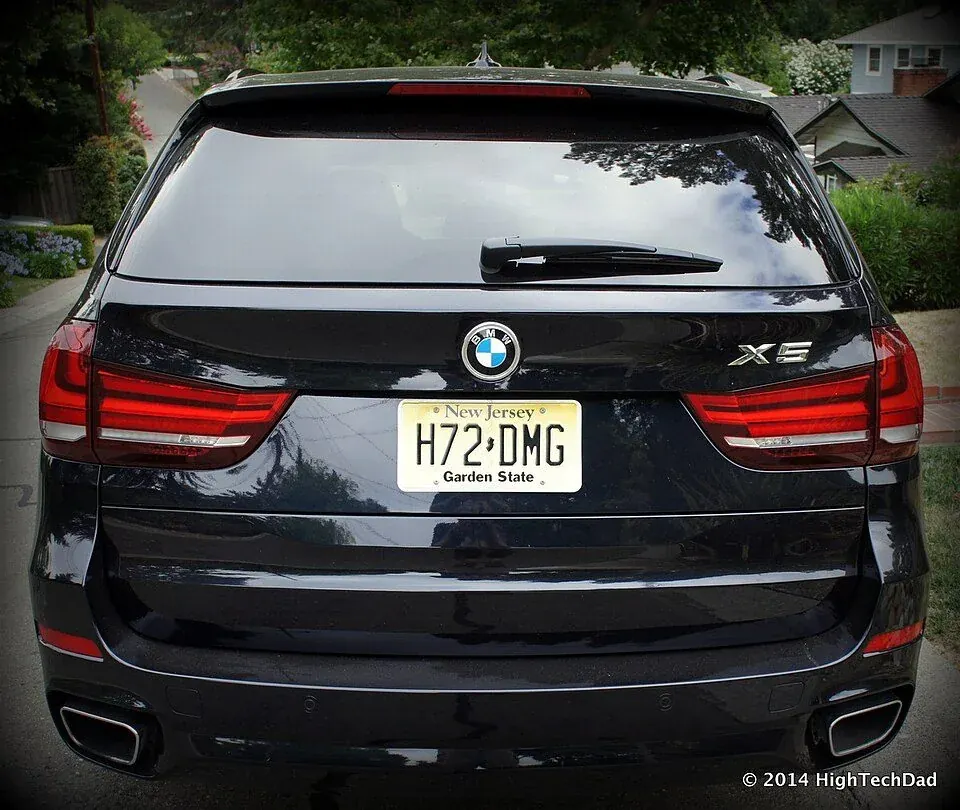
2014 US specification · Factory source

Every figure, in one place.
Performance
- Power
- 304 PS · 300 hp · 224 kW
- Torque
- 407 Nm
- 0–100 km/h
- 6.5 s
- Top speed
- 210 km/h · limited
- Power-to-weight
- 6.81 kg/PS
Engine and drivetrain
- Engine
- N55 · Inline-six
- Displacement
- 2,979 cm³
- Induction
- Twin-scroll turbo
- Redline
- 7,000 rpm
- Gearbox
- 8-speed automatic
- Drivetrain
- xDrive all-wheel drive
- Powertrain
- Petrol
Body and dimensions
- Production
- 2013–2018
- Body
- SUVs
- Length
- 4,886 mm
- Width
- 1,938 mm
- Height
- 1,762 mm
- Wheelbase
- 2,933 mm
- Kerb weight
- 2,070 kg
- Fuel tank
- 85 L
Where this car ranks across all 93 cars in the catalogue.
Why you’d want one
- A spacious six-cylinder SUV.
Know before you buy
- Oil filter housing and valve cover gasket leaks
- Electric water pump and thermostat failure
- Plastic charge pipe can crack under boost
Commonly reported ownership points, not a guarantee of faults. Always get an independent inspection.
An X5 without a V8.
The X5 xDrive35i uses a turbocharged straight-six to power the larger X5 body. It is a helpful reminder that a big BMW SUV does not automatically need eight cylinders.
A spacious six-cylinder SUV.
Check parking space as carefully as engine output.
This X5 and the smaller X3 xDrive35i share the N55 family label.
N55 · Inline-six
A 2,979 cm³ inline-six with one twin-scroll turbocharger, direct injection and Valvetronic.
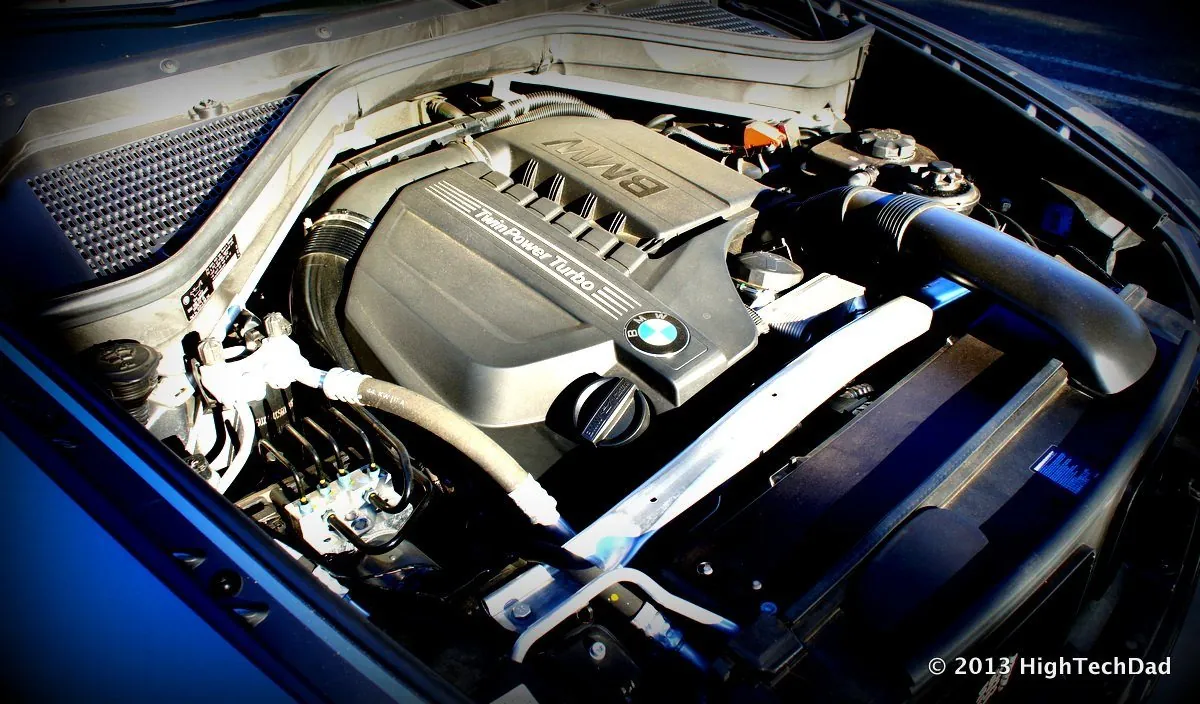
N55 in a 2013 X5 xDrive35i. Engine-family reference; covers and installation differ across applications.
Same family. Different application.
This model uses a longitudinal 3.0-liter N55 inline-six. Its factory output and vehicle configuration are specific to the model and market shown.
Twin-scroll is not twin-turbo.
One turbocharger has two exhaust passages feeding its turbine. Exhaust energy spins the compressor, which supplies pressurized intake air. The turbo is largely hidden by surrounding hardware in this reference photograph.
Air in. Heat out.
Filtered air enters the compressor, then passes through charge-air cooling before reaching the intake manifold. The intercooler cools the air heated by compression.
Valvetronic & VANOS.
Valvetronic adjusts intake-valve lift. VANOS adjusts camshaft timing. They control different aspects of the valve operation; neither is another turbocharger.